

A SEIZURE-FREE LIFE STARTS WITH ACCESS TO MEDICATION
Thousands of people living with epilepsy in Kenya go without consistent medication — not because treatment doesn’t exist, but because they cannot afford it. Your support helps provide life-saving anti-seizure medicine to those who need it most.
This is why we continually examine our processes and explore solutions that can help unlock better access to health care and improved health outcomes. We strive to provide the best possible care and support to those with epilepsy and we are dedicated to finding solutions that can help improve the lives of those affected by this condition.
DONATE
WITH YOUR SUPPORT, WE HAVE

Provided continuous epilepsy medication to underserved patients

Reduced emergency seizures and hospital visits

Restored dignity and independence to families affected by epilepsy

Helped children stay in school and adults stay employed

DONATE NOW
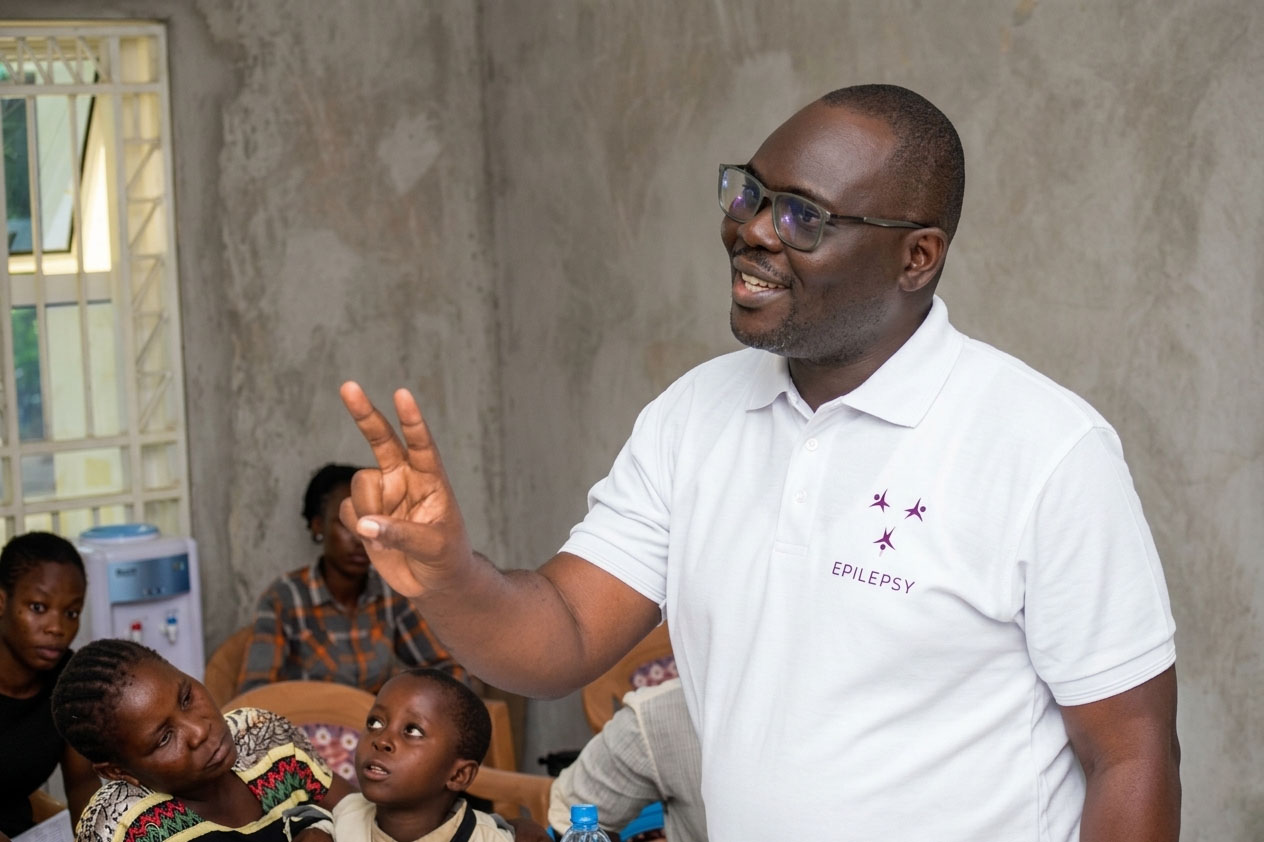
Because of you, we have supported people with epilepsy by providing medication, care, and other essential resources. We’ve trained communities in seizure recognition and first aid and conducted vital research to improve epilepsy care. With your continued support, we can do even more!
Channel your donations to
Foundation for people with epilepsy NCBA bank, Acc- 8591150011
PayBill 880100 Acc 8591150011
OUR SERVICES
EPILEPSY HEALTHCARE SERVICES
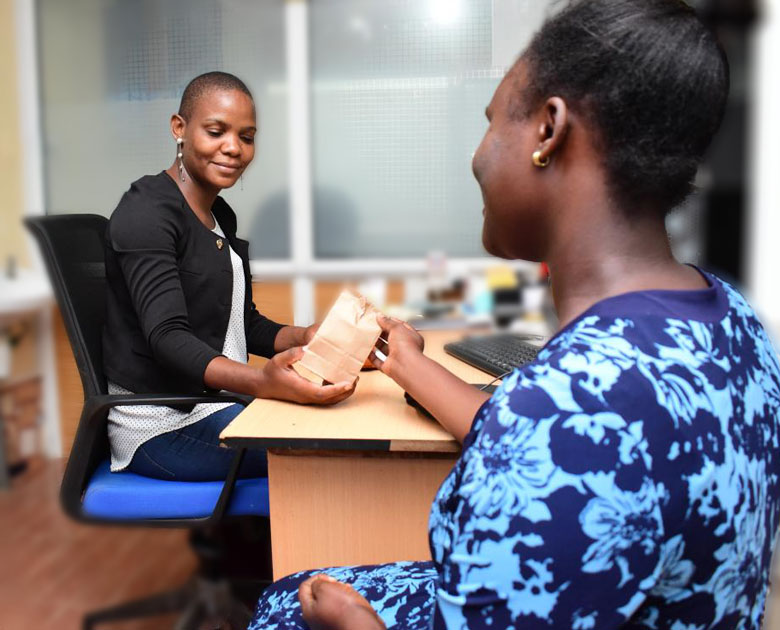
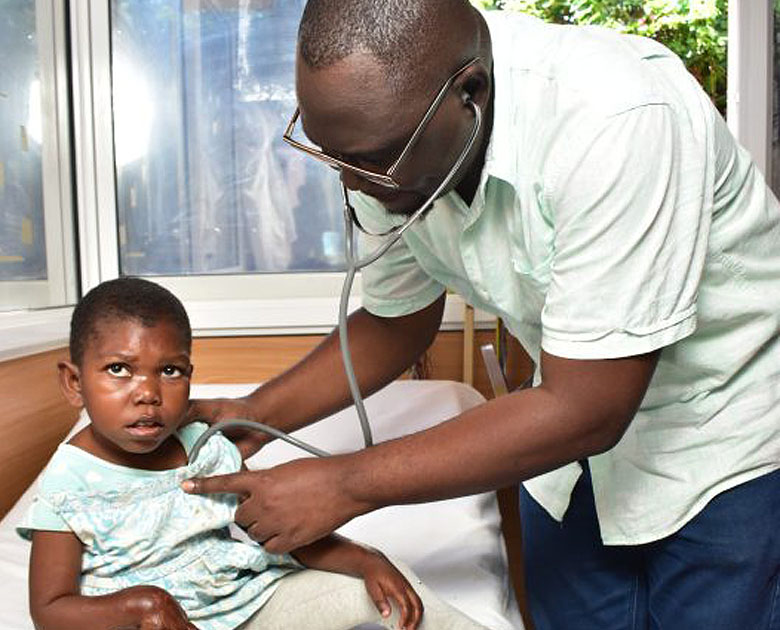
We understand how difficult it can be to manage epilepsy. That's why we provide comprehensive, holistic care to help those with epilepsy achieve their goals. Our comprehensive care includes medical diagnosis and treatment, psychological support, and lifestyle advice to promote seizure control and mental well-being. With our support and expertise, you can experience the same happiness as others and feel empowered to lead a life of greater quality and freedom. We'll be there alongside you every step of the way, from diagnosis to treatment and beyond.


Frequently Asked Questions about Epilepsy / Kifafa
Maswali Yanayoulizwa Mara kwa Mara
- Mlinde mtu asipate jeraha (ondoa vitu hatari karibu).
- Usiweke chochote kinywani mwake (wala chakula wala maji).
- Kaa naye mpaka aache kufafatika.
- Tafuta msaada wa dharura ikiwa: kufafatika kunachukua dakika 5 au zaidi, kinarudi mara kwa mara bila kupona, au mtu amepata majeraha makubwa.